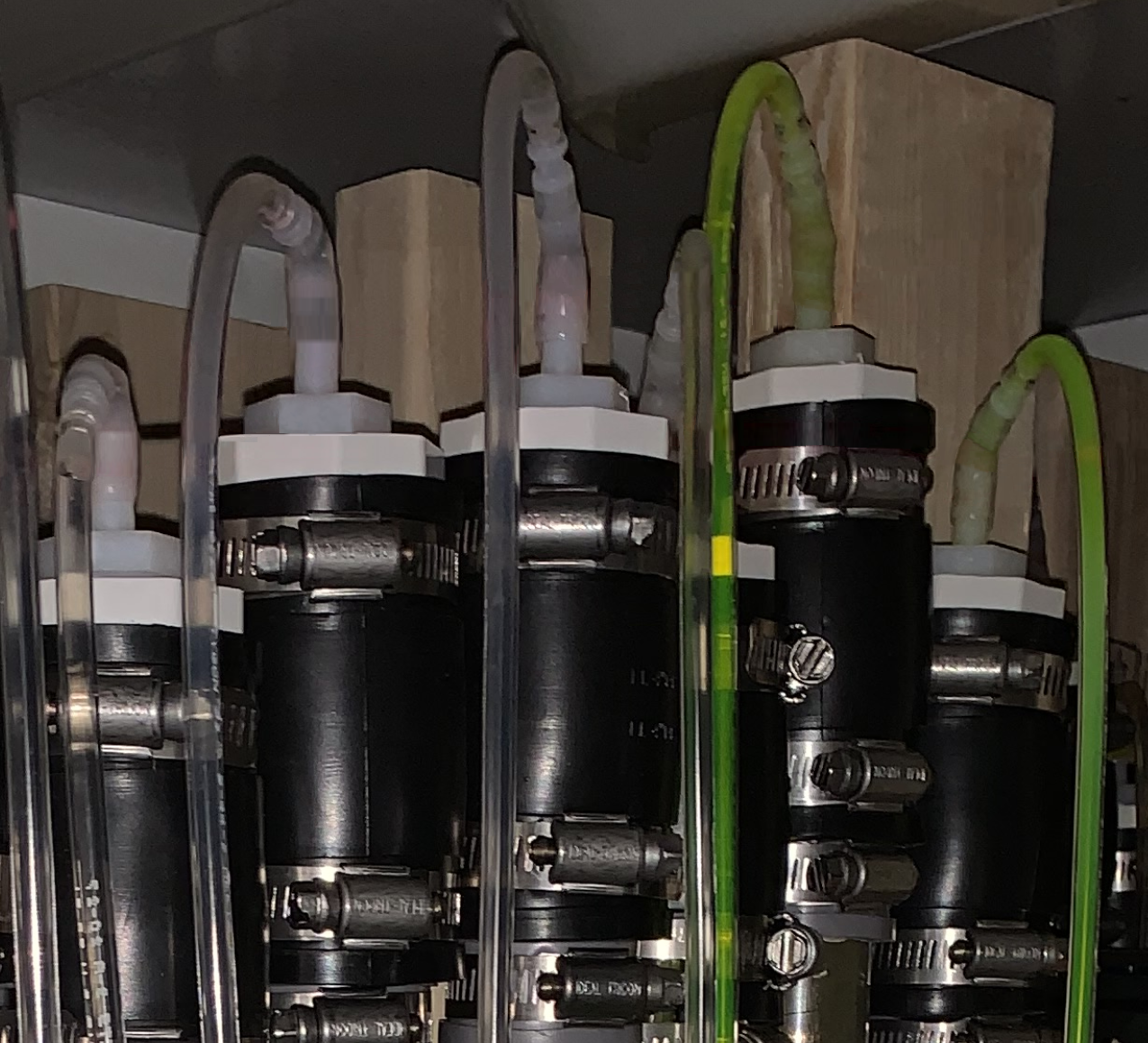
In Situ Chemical Oxidation (ISCO)
ISCO can be a cost effective remedial option - when applied correctly. However, in an effort to reduce upfront project costs, the treatability testing step is often skipped. This frequently leads to under-dosing, incomplete treatment, and contaminant rebound following an ISCO application.
To identify potential failure mechanisms, design parameters, and treatment efficiencies, treatability studies are essential for successful full-scale implementation. There are several oxidant chemistries and application approaches available. Selection should be based on:
- Site characteristics - soil type, permeability, oxidant demand, groundwater geochemistry, site access limitations
- Compounds of concern - chlorinated solvents, petroleum hydrocarbons, PAHs, 1,4-dioxane
- Budget - chemical cost, injection scheme, monitoring requirements
- Site goals - source reduction, plume containment, regulatory closure timelines
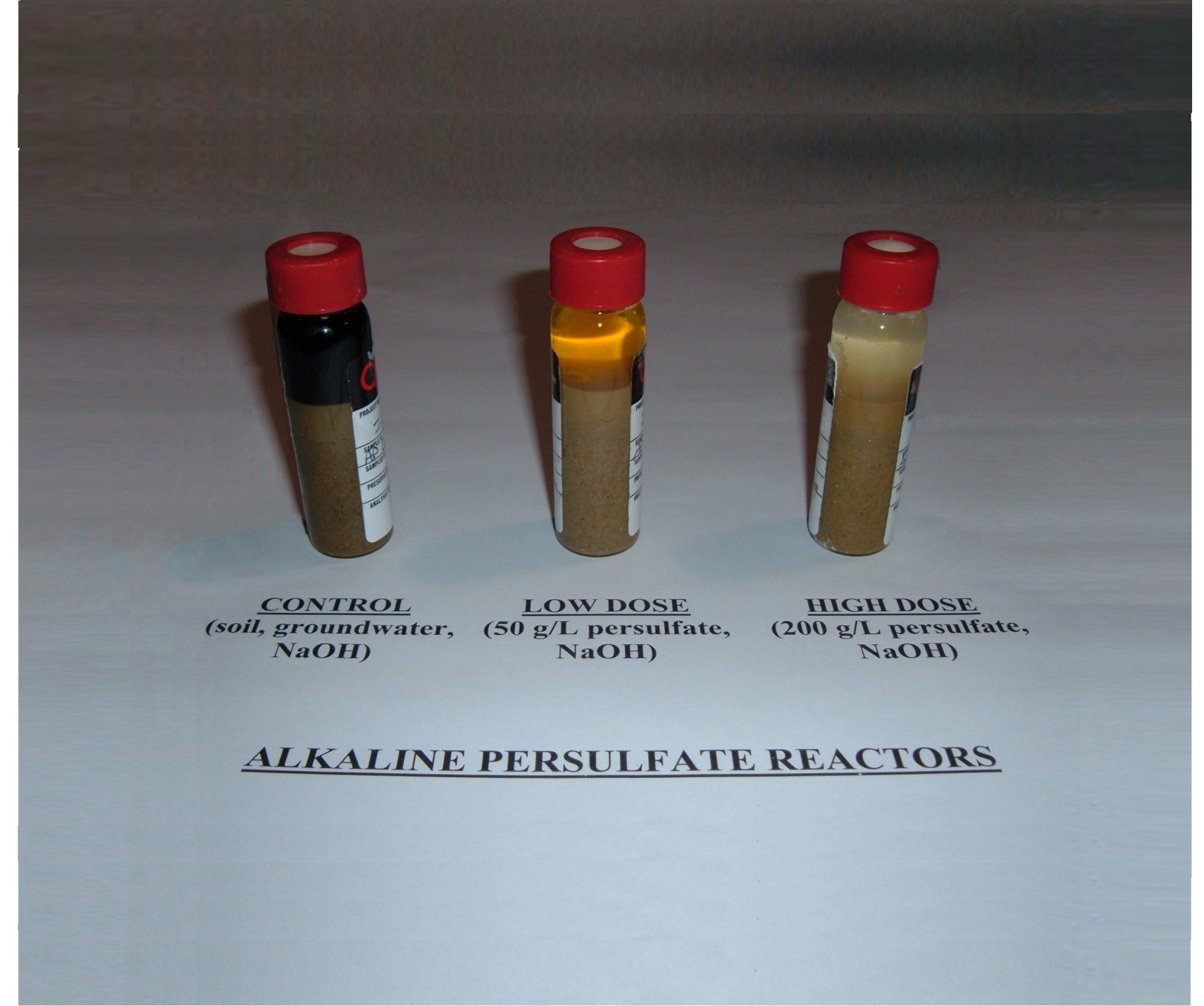
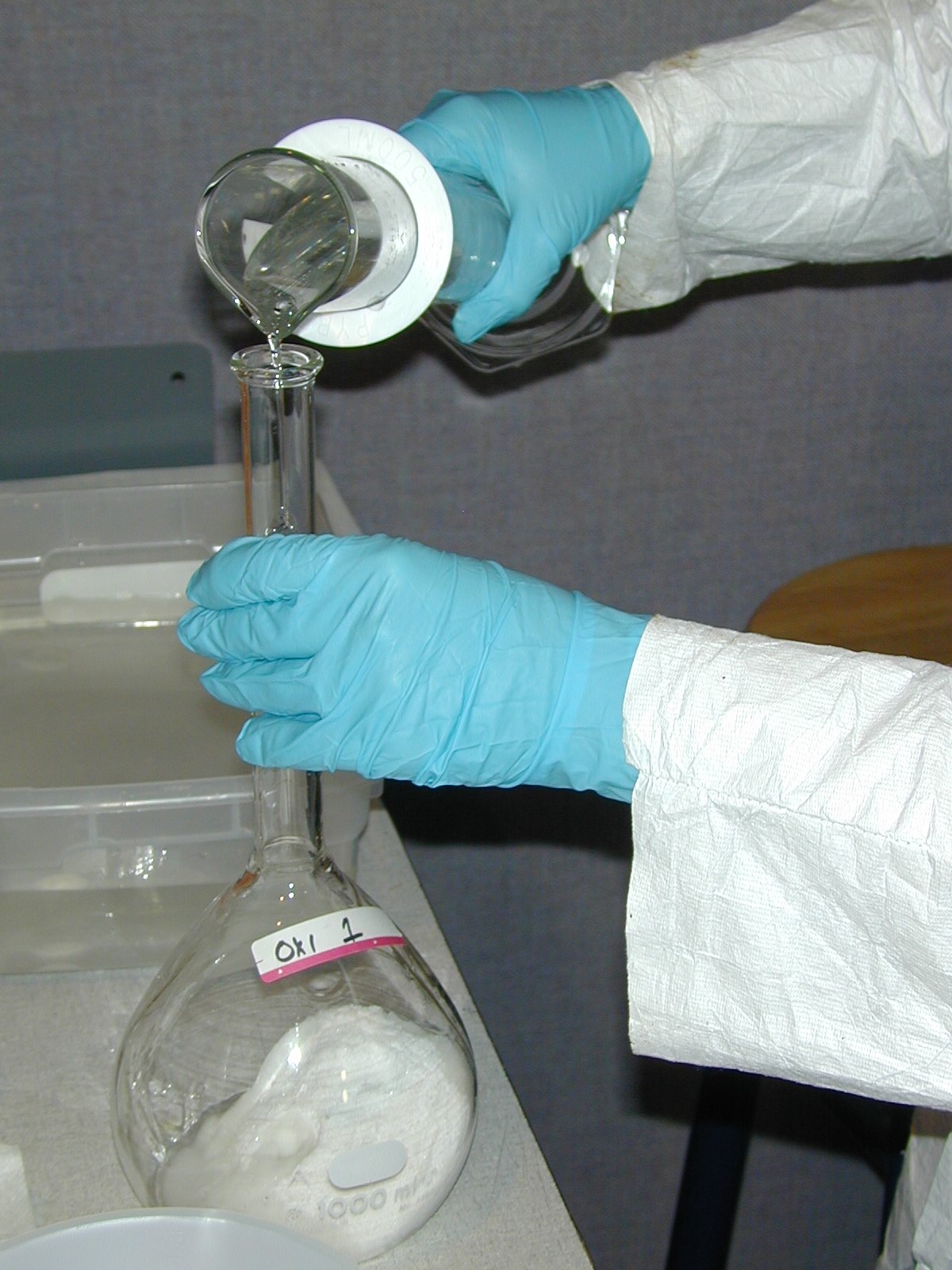
Lourero's Experience Includes:
- ISCO technologies tested under under varying concentrations and activators
- Sodium persulfate - unactivated and activated
- Potassium persulfate (slow-release) - unactivated and activated
- Potassium and sodium permanganate
- Hydrogen peroxide - with and without catalysts or stabilizers
- Ozone
- Advanced Oxidation Processes (AOP) - hydrogen peroxide combined with ozone
- Oxidant stability, total oxidant demand (TOD) tests
- Determining base buffering requirements for alkaline activation of persulfate
- Identifying potential secondary effects - accumulation of contaminant daughter products, formation of byproducts, and metals mobilization
- Evaluating contaminant treatment effectiveness to refine design parameters and meet remediation goals
Loureiro was selected to conduct specific treatability studies for product comparisons and evaluate the effects of ISCO on metals mobilization for the Strategic Environmental Research and Development Program (SERDP).